Why Agentic AI needs real-time data
Agentic AI: this kind of intelligence is promoted as the next evolution: intelligence that doesn’t merely respond to queries, but has purposeful action. They can observe, decide, and implement actions independently, but within specific goals. There’s an important reality that can easily be missed, however, which is that agentic AI, without live data, is simply that: not agentic. Its intelligence is automated, but its ignorance is also automated.
People are justified in their excitement about AI agents. Schematically, companies would like digital employees who could manage supply-chain activity, optimize the user journey, identify threats, and negotiate outcomes between systems. However, much of what they could do rests on data infrastructures designed with another time in mind. That time is defined by batch processing, latency, and data disconnection from the moment of decision-making importance.
This is where the tension emerges. While agentic AI is supposed to offer the advantages of autonomy and flexibility, the typical environment of an enterprise is usually spontaneous. Data is slow or late in coming in. Context is dispersed. Signals are tackled post facto. In this setup, agents can reason; they can’t act cognizant of the environment. Everything is always one step behind reality.
But real-time data flips all that on its head. It takes data from being a historic event and makes it a living data signal. As machines are constantly being fed from what’s happening in real time and from their customers, systems, devices, and processes, they are able to have situational awareness.
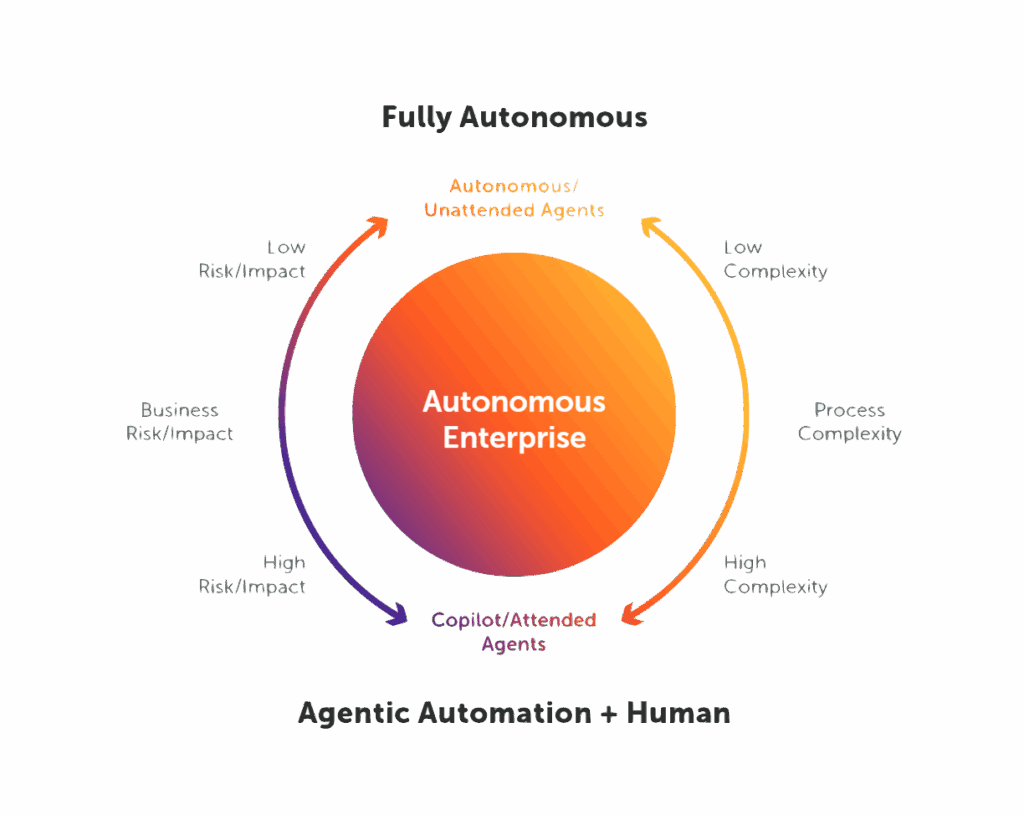
Consider an example of an AI agent handling customer experience as its primary function. If the agent waits for yesterday’s data to inform its decisions or when the CRM data is not updated, then its actions will be based not on facts, not based in reality, but on assumptions. With the ability to integrate with live actions such as clicks, transactions, shifts in consumer behavior, service outages, it can respond instantly. Of course, that is when it goes from being automated to agented.
The same applies to operations. In the manufacturing industry, logistics, the finance industry, and the cybersecurity industry, for example, the conditions change in a few seconds. An agent running on stale information could optimize for local optima but be suboptimal in general.
This is even more important in the advent of multi-agent systems. The future will not be single agent action by an AI system but rather collaboration by various agents. These require a common and trusted view of reality. Event-driven data will form their language—a series of facts that will inform actions by aligning actions and intentions.
From an entrepreneurship standpoint, this is not just a footnote in innovation. It is an imperative. It will only be expected to be quick when slowly reacting to danger with a nervous system that can only move signals through it slowly. Smart businesses won’t be slowed down by such “nervous systems.”
When thinking ahead to the next three to ten years, the most competitive organizations will view real-time data as infrastructure, and not as an afterthought. These organizations will architect their systems so that data moves freely, securely, and in real-time between people and machines. These will be systems where AI systems will not only make decisions for people, but also take part in the business process of an organization to sense opportunities and risks.
Agentic AI means a shift from using tools and technology to working alongside teammates. But teammates must have a sense of awareness. They also need some contextual understanding. They must realize that they must know what is going on now, and not some other time, such as yesterday.
Those organizations that understand this early on will move from pilot projects into true change. They won’t ask what AI can do; they’ll ask how intelligence, in the form of both human and artificial intelligence, can work together in the point of value creation.
Interested in discussing this further? I’d be happy to connect.